 RU
RU EN
EN
SA387 GR.11 CL2 Steel Plate
Applications:
Pressure vessels
Heat exchangers
Power generation equipment
Piping systems in the oil and gas industry
Chemical processing facilities

One of China's leading specialized Finned tube and U-Bending tubes manufacturer !
Choose Us, Trust Us!
Applications:
Pressure vessels
Heat exchangers
Power generation equipment
Piping systems in the oil and gas industry
Chemical processing facilities
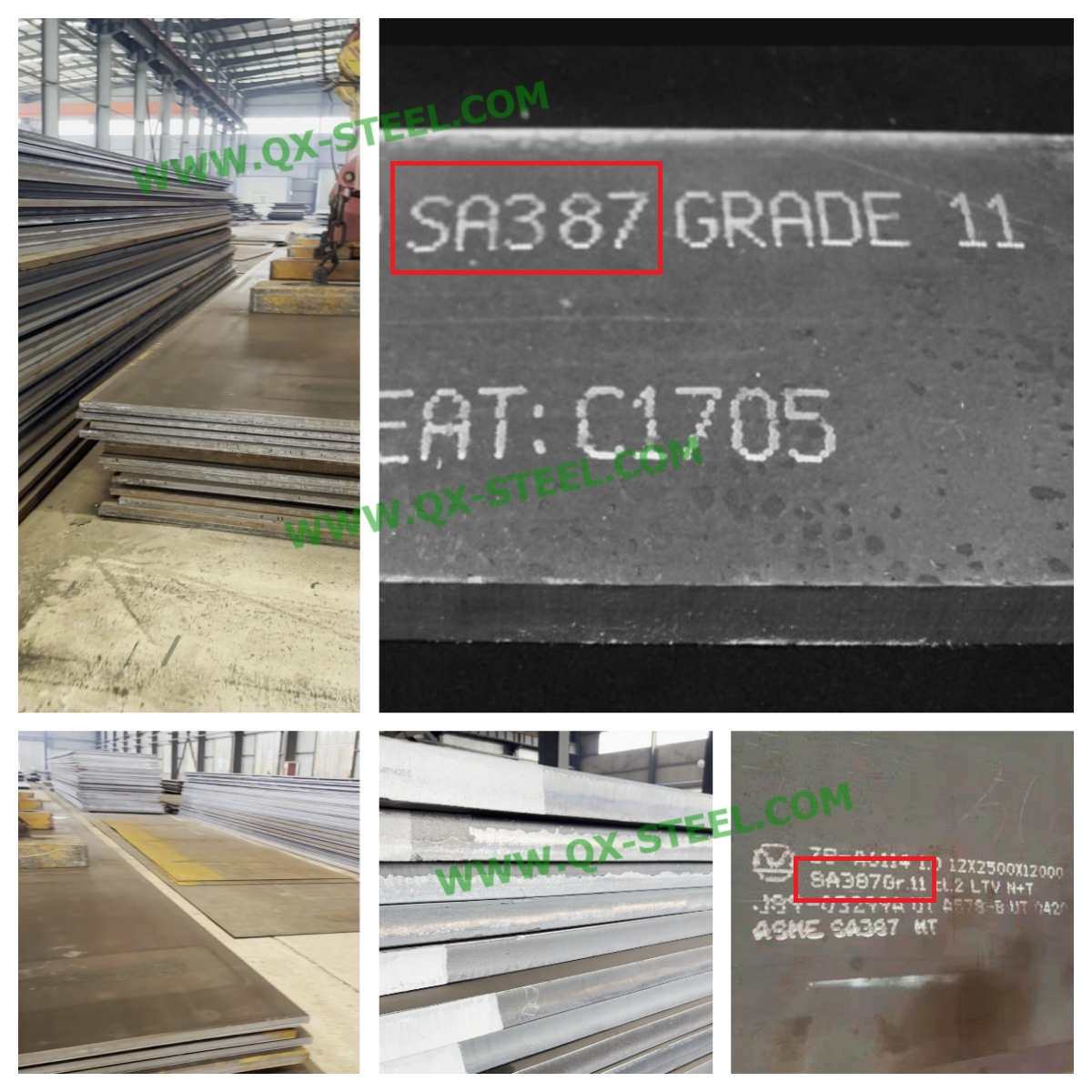
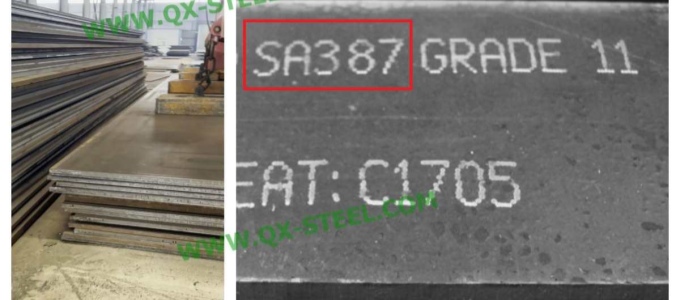
ASTM A387 steel plate is a specification for chromium-molybdenum alloy steel plates intended primarily for use in elevated temperature service. These plates are designed for applications that require improved mechanical properties and resistance to oxidation, making them suitable for use in high-temperature environments.
The ASME SA-387/ ASTM A387 Gr.11 steel has the nominal composition of 1.25Cr-0.5Mo-Si with UNS designation number of K11789 and P number of 4.
SA-387 Steel Plate, Grades 5, 9, 11, 12, 22 and 91 Class 1 and 2 Chromium - Molybdenum Alloy Steel Plates for elevated temp + corrosion.
The pressure vessel plates made of ASTM A387 Grade 11 (identical with ASME SA-387 Gr. 11) are chromium-molybdenum alloy steel plates intended primarily for welded boilers and pressure vessels designed for elevated temperature service.
1) Manufacture & Heat Treatment:
The ASME SA-387/ ASTM A387 Gr.11 plates shall be made by a killed process.
Three types of heat treatment may be furnished:
(1) annealing;
(2) normalizing and tempering;
(3) when permitted by the purchaser, quenching and tempering. The tempering temperature shall be no less than 620°C [1150°C]. The "quenching" means accelerated cooling from the austenitizing temperature by air blasting or liquid quenching.
2) There are two classes available according to tensile strength levels: Class 1 and Class 2.
3) Applications:
Pressure vessels
Heat exchangers
Power generation equipment
Piping systems in the oil and gas industry
Chemical processing facilities
4) ASME SA387 Grade 11 Class 2 is used in a variety of industries and is highly effective, particularly in the oil, gas and petrochemical industry, where liquids and gases are often stored at higher temperatures. The higher levels of chromium also provide excellent corrosion and oxidation resistance, which is a must in sour gas applications.